Airport lounge asset management: the FF&E challenge no one's solved properly yet
Airport lounges have some of the most demanding FF&E conditions in commercial hospitality — 24/7 operation, extreme footfall, airline brand standards, and refurbishment cycles tied to contract renewals. Here's what structured asset management looks like in this environment.
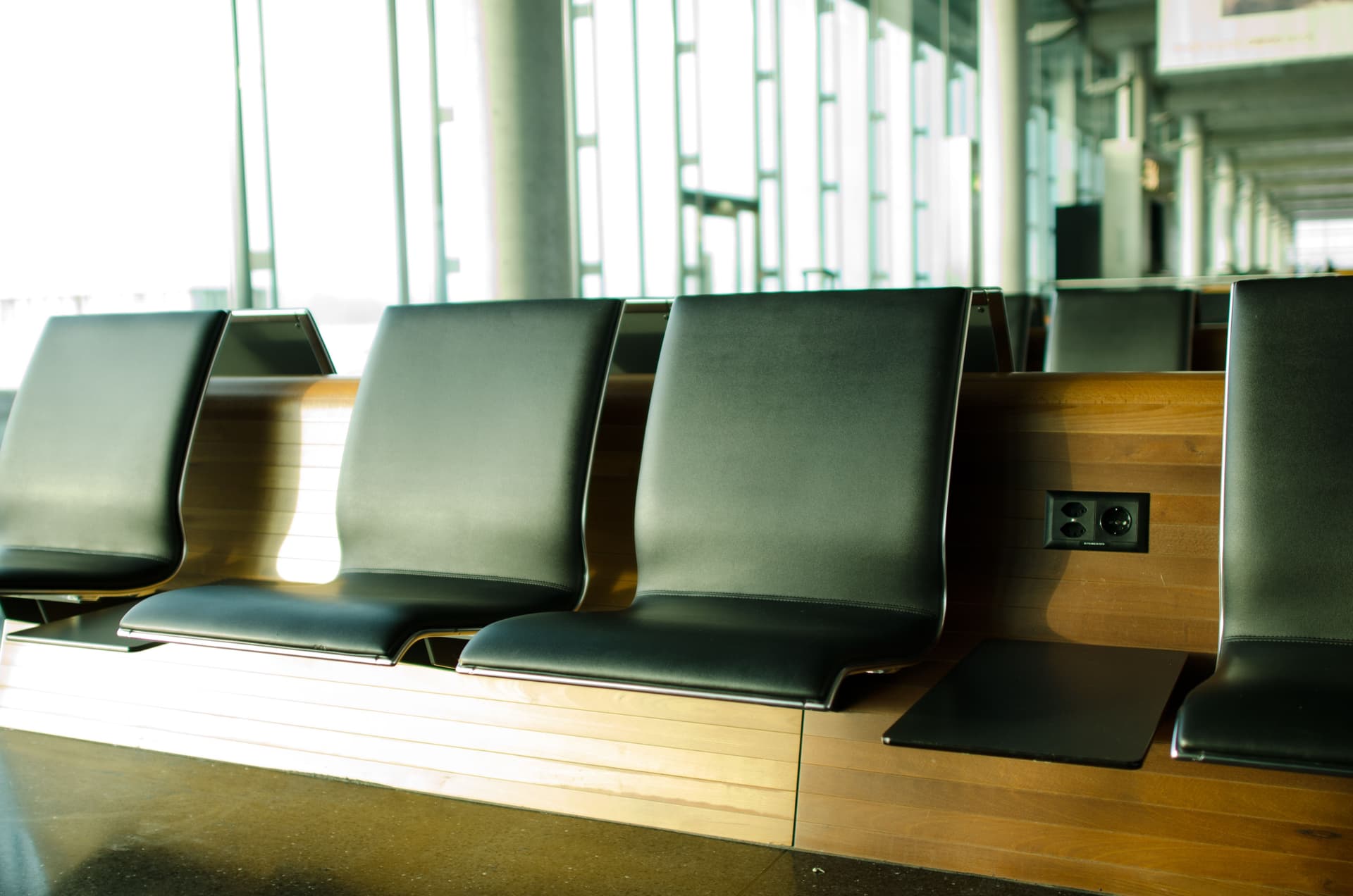
Airport lounges occupy a peculiar position in the commercial hospitality landscape. They operate under conditions that would challenge any asset manager — continuous 24/7 occupancy, among the highest footfall-per-square-metre of any hospitality environment, exacting brand standards enforced by airlines with genuine contractual leverage, and a refurbishment cycle driven not by operator preference but by the renewal timeline of the airline contract.
And yet the asset management infrastructure behind most airport lounges is strikingly basic. A combination of generic facilities management software, spreadsheet records, and institutional knowledge held by long-serving staff. The data that should sit at the foundation of every refurbishment planning conversation — what's in the lounge, what condition it's in, when it was last replaced, what it costs to replace — often doesn't exist in structured form.
This article is for airport lounge operators: airlines managing their own branded lounges, independent operators like Aspire and No1 Lounges running multi-terminal networks, and the facilities and development teams responsible for lounge condition and compliance. The argument is simple: the FF&E discipline that this environment demands is not being met by the tools most operators are using.
The specific FF&E challenges in airport lounges
Footfall rates are extraordinary. A well-positioned airport lounge in a major UK hub terminal can process 800 to 1,200 passengers per day during peak summer operations. Priority pass access has expanded the catchment significantly — a lounge that once served only first and business class now serves a much broader, higher-volume membership. The implication for seating wear rates is severe. Commercial-grade seating specced for eight hours of daily use might be seeing twelve. The wear curves manufacturers quote are routinely exceeded.
24/7 operation eliminates natural downtime. Hotels close rooms for maintenance during low-occupancy periods. Airport lounges — particularly in international terminals processing long-haul traffic — often don't. Any replacement work has to happen during operational hours or in the narrow window before first-wave departures. This intensifies the planning problem: you can't deal with a worn sofa bank when it becomes visible. The replacement has to be planned — and ordered — before the problem shows.
Airline brand standards are contractually enforced. Independent operators running lounges on behalf of airlines operate under brand standards that specify furniture types, upholstery grades, and condition thresholds. Meeting those standards isn't a quality preference; it's a contractual obligation. Audits happen. Items found below standard have to be replaced on the airline's timeline. An operator without accurate condition data is waiting to be told what's substandard rather than managing ahead of it.
Multiple zones create complexity. A modern airport lounge is a collection of distinct zones: main seating, dining, bar and beverage, quiet zone, working zone, shower suites. Each has different furniture categories, wear rates, compliance requirements, and replacement cycles.
Refurbishment cycles are driven by contract events, not condition. An independent operator on a ten-year lounge management contract typically faces a mid-contract refresh at year five and a full refurbishment at renewal. These events create a planning horizon that should shape specification decisions made at the beginning of the contract. Specifying seating with a five-year upholstery life for a lounge that won't be refurbished for seven years is a procurement decision with foreseeable consequences.
What an airport lounge asset register should track
A functional airport lounge asset register needs to go further than a generic FM asset list. The core categories:
Seating (the largest budget line): zone location, manufacturer and model reference, upholstery fabric specification with rub count, quantity, installation date, condition rating (fabric, cushion, frame separately), estimated replacement year, and current replacement cost per unit.
Catering and beverage equipment: each item with manufacturer, model, installation date, last service date, warranty status, and compliance certification. Coffee machines, refrigeration units, glasswashers, and hot buffet equipment all qualify — lead times for commercial catering equipment run to 12–16 weeks, so replacement needs to be planned well in advance.
Technology assets: display screens, charging infrastructure, Wi-Fi access points, audio systems — all with model, installation date, and replacement cycle. The USB-A to USB-C transition alone has rendered significant installed charging infrastructure obsolete before its structural end of life.
Soft furnishings and floor coverings: carpet by zone (pile weight determines expected life), window treatments, cushions, and decorative elements. These are often absent from formal registers; they shouldn't be.
Bathroom and shower facilities: shower fittings, cabinetry, and ancillary items in premium lounges.
The principle is item-level specificity. A record that says "72 lounge chairs in the main seating area" is less useful than one that records the 72 chairs as a specific model from a specific manufacturer, upholstered in a specific fabric, installed in a specific year, with a condition rating that reflects their current state. The former is an inventory. The latter is an asset register.
Why generic FM systems don't work here
Most airport lounge operators using a formal asset management system are on a generic CAFM (Computer-Aided Facilities Management) platform. Powerful tools for maintenance scheduling, work orders, and compliance tracking — but not purpose-built for specification-aware FF&E lifecycle management.
The gap is in the product specification layer. A CAFM system records that you have a sofa. It doesn't record that the sofa is a specific model, upholstered in a specific fabric grade, installed in a specific zone, with a manufacturer-quoted rub count that equates to approximately four years of useful life in this environment. That specification data is what enables accurate condition benchmarking, defensible replacement planning, and credible refurbishment cost forecasting. Without it, the replacement decision is a visual call by the lounge manager. Reactive rather than planned, and the cost is a surprise.
The other gap is the multi-location view. An independent operator running lounges in multiple terminals needs a portfolio view of asset condition — which lounges are approaching a condition threshold, which are under airline audit pressure, which are scheduled for refurbishment in the next contract cycle. Generic FM platforms are typically configured around individual sites.
Typical airport lounge asset categories and replacement cycles
Replacement cycles vary considerably based on use intensity (which varies by terminal busyness, lounge type, and access model) and specification grade. These figures reflect standard commercial lounge environments under high-use conditions.
| Asset category | Typical replacement cycle | Key wear factors |
|---|---|---|
| Main seating (upholstered) | 3–5 years | Rub count, foam density, passenger volume |
| Dining chairs | 4–6 years | Frame durability, seat pad wear, cleaning regime |
| Carpet (high-footfall zones) | 4–6 years | Pile weight, entrance matting quality |
| Carpet (low-footfall zones) | 7–10 years | As above, lower wear rate |
| Coffee machines (commercial) | 6–8 years | Service frequency, water quality, daily cycle count |
| Refrigeration units | 8–12 years | Compressor quality, service regime |
| Display screens | 5–7 years | Technology evolution, brightness fade |
| Charging infrastructure | 4–6 years | Technology compatibility (USB-A vs USB-C transition) |
| Shower fittings | 8–12 years | Water quality, cleaning chemical exposure |
| Bar cabinetry / joinery | 7–12 years | Structural condition, aesthetic condition separately |
| Soft furnishing accents | 2–3 years | Visible wear, cleaning wear, trend currency |
| Artwork / decorative | Varies — contract-driven | Typically replaced at full refurbishment |
The 3–5 year seating replacement cycle is the most significant budget driver. In a lounge with 180 seats at £800–£1,500 per unit (commercial-grade contract furniture), the seating programme alone represents £144,000 to £270,000 every three to five years — per lounge. An operator running eight lounges is managing a replacement liability that requires forward planning to fund sensibly.
How lifecycle data supports refurbishment planning and contract negotiations
The refurbishment planning conversation in airport lounges is different from most commercial environments because it's linked to a contractual event. When an airline contract approaches renewal, both the airline and the operator are assessing the lounge condition. The airline wants assurance that the lounge will continue to meet brand standards. The operator wants to understand what investment the renewal requires.
An operator with structured lifecycle data enters that conversation from a fundamentally different position than one without it.
With lifecycle data: "Our seat replacement programme is budgeted for 2027 — 180 units in the main lounge at an estimated cost of £220,000 at current pricing. Carpet in zones A and B is due for replacement in the same programme. Total mid-contract refresh cost forecast is £410,000 over 24 months. Here's the condition profile by zone."
Without lifecycle data: "We'll need to do a survey before we can give you a number. We think most things are in reasonable shape but we'd need to check."
The first position supports a credible commercial negotiation. It supports a refurbishment cost contribution request to the airline. It supports a CapEx funding conversation with the operator's own finance team. It demonstrates operational competence in a way that influences contract terms.
The second position leaves the operator responding to the airline's assessment of condition rather than leading with their own data. The airline's assessor will find the worn seats. The operator who didn't know they were worn has already conceded the negotiating ground.
Lifecycle data also matters for multi-property portfolio planning. An operator managing eight lounges needs to know which are approaching replacement events simultaneously — because co-ordinating those replacement programmes across the portfolio creates procurement leverage, reduces lead time pressure, and allows consistent specification updates to be rolled out across the network efficiently.
What structured asset management looks like in practice
The starting point for most lounge operators is the original fit-out documentation. The interior designer or FF&E consultant who specified the lounge produced a specification book — or at least a schedule — containing item-level data: manufacturer, model, reference, quantity, zone, cost. This documentation typically exists at handover; what often doesn't happen is extracting and structuring that data into an operational register that can be maintained going forward.
The practical sequence: extract the fit-out specification into a structured register, adding location and installation date for each item. Add current condition ratings using a defined scale — specific enough that two different assessors would rate the same item identically. From installation date, current condition, and expected lifespan, project a replacement year for each category. Multiply current replacement cost by quantity to get the replacement liability; aggregated forward across categories and years, that's the refurbishment cost forecast. Then maintain it: update when replacements happen, re-rate condition annually, adjust projections when wear rates shift.
For older lounges where fit-out documentation is incomplete or lost, a physical walk-through with a structured template is the recovery approach. It's slower than working from existing specification data, but it produces the same output.
The FF&E specification book concept translates directly to the airport lounge context, as does the asset register structure that underpins the lifecycle management process.
The airport lounge sector hasn't yet developed the same culture of structured FF&E management that the premium hotel sector has. The operators who establish this discipline now — and the tools that support it — will define what good looks like in this category.
Controlbook is built for specification-aware FF&E lifecycle management in exactly this kind of environment: multi-zone, multi-site, with contractual replacement drivers and the need for credible cost forecasting. Book a demo to see how it handles the airport lounge use case.
Frequently asked questions
What rub count specification is appropriate for airport lounge seating upholstery?
Minimum 80,000 Martindale for main seating in a high-traffic lounge; 100,000+ for the most intensively used positions. The industry standard for heavy-duty contract use is 40,000 Martindale — airport lounges processing 800+ passengers per day exceed that threshold significantly. Specifying correctly at procurement reduces replacement frequency and total lifecycle cost.
How do I handle FF&E assets belonging to different parties (airline-owned vs operator-owned)?
Flag ownership for each item in the register — airline-supplied versus operator-supplied. Condition responsibility and replacement funding can then be allocated correctly, and the register supports the contractual conversation about who funds what at refurbishment.
Should catering equipment be included in the FF&E asset register?
Yes. Catering equipment represents significant capital value, has scheduled service requirements affecting operational continuity, and has replacement cycles that need forward planning — lead times for commercial catering equipment run to 12–16 weeks. Including it alongside furniture and fittings gives a complete picture rather than splitting it across separate systems.
How far in advance should lounge refurbishment planning begin?
18–24 months for a mid-contract refresh; 24–36 months for a full contract-renewal refurbishment. Lead time for custom-specified contract furniture runs to 12–20 weeks after order confirmation, and order confirmation follows design approval, procurement, and tender processes that each take time. 24 months out is not conservative — it's the realistic minimum.
What's the business case for purpose-built software over spreadsheets?
The case tightens as the network grows. For a single-lounge operator, a well-maintained spreadsheet may be sufficient. For an operator running four or more lounges, the manual effort of maintaining accurate records across sites — and the absence of portfolio-level reporting — creates meaningful operational risk. The cost of one poorly planned refurbishment or one airline audit finding a condition gap typically exceeds the cost of purpose-built software for the same period.