Build to rent asset management: the FF&E challenge operators are still solving manually
BTR operators have sophisticated asset management needs but often rely on the same spreadsheet-based approaches as the sectors they're trying to differentiate from. Here's what better looks like.
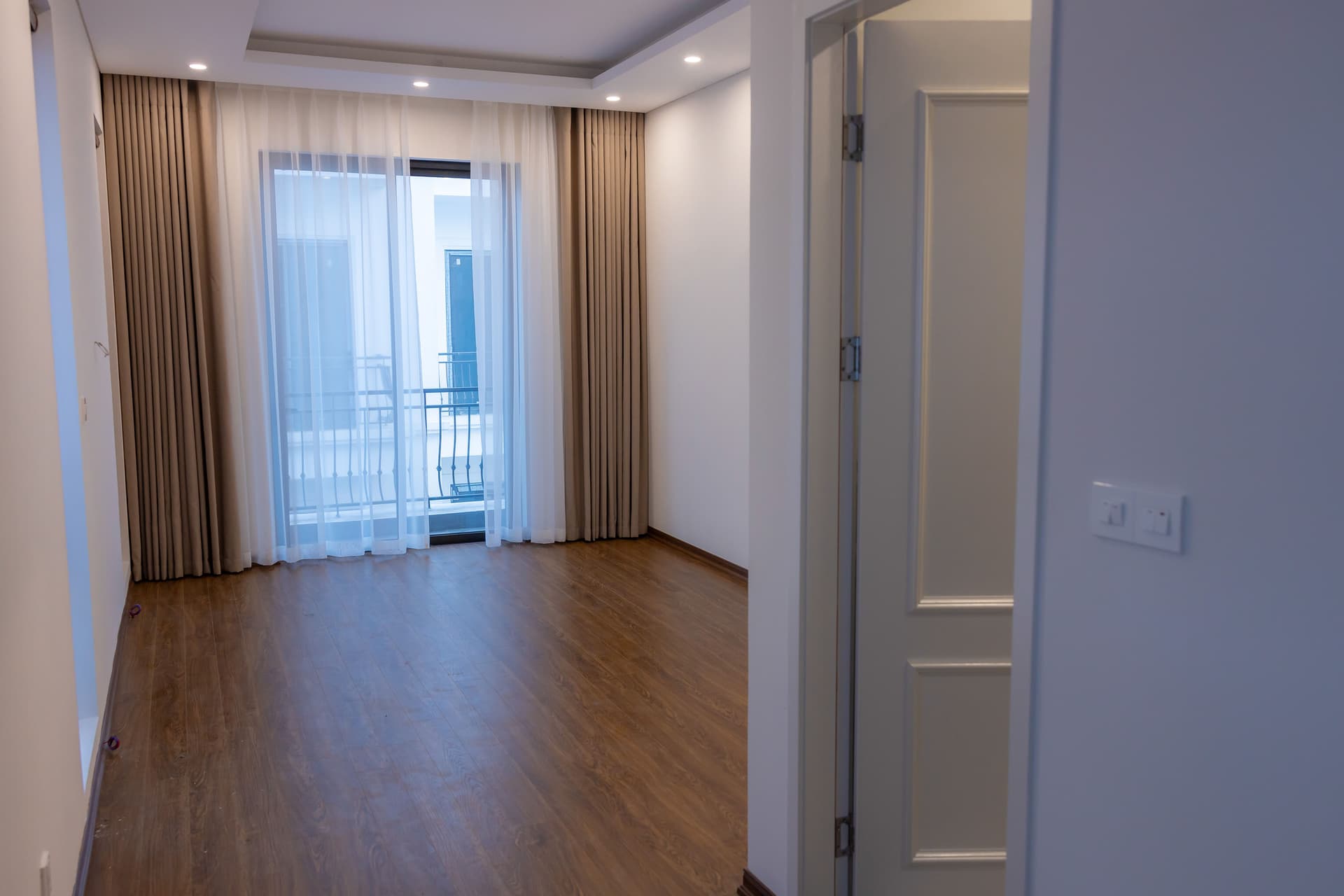
Build to rent — BTR — has grown from a niche institutional play into one of the dominant forces in UK multifamily residential. Schemes now span hundreds of apartments with amenity floors, co-working spaces, concierge services, and hospitality-grade common areas. The largest operators manage portfolios running to thousands of units across multiple cities.
The operational model is fundamentally different from the traditional private rented sector. BTR is professionally managed at scale. Residents pay a premium for that — and they expect consistent quality across their tenancy.
What hasn't been professionalised at the same pace is the underlying asset management: the tracking, maintenance, and planned replacement of the FF&E that determines the resident experience and the asset's long-term value.
Why BTR asset management is harder than it looks
Scale amplifies small inefficiencies. A 300-apartment BTR scheme has a bedroom, kitchen, living area, and bathroom in each unit — plus communal spaces. At a conservative estimate of 20 items of furniture and fittings per apartment, that's 6,000 individual assets in a single scheme. Tracking those assets, monitoring their condition, and planning their replacement requires structure. Without it, decisions default to reactive: replace when something fails, budget when something expensive fails unexpectedly.
Amenity-heavy schemes have higher replacement costs. BTR has differentiated on amenity: rooftop terraces, gym equipment, co-working spaces, private dining rooms, screening rooms. These spaces contain high-value FF&E — commercial-grade gym equipment, bespoke joinery, statement furniture pieces — that costs significantly more to replace than standard apartment furniture. A scheme whose CapEx model doesn't specifically account for amenity replacement is almost certainly under-reserving.
Residents notice inconsistency. A resident in a 400-apartment BTR scheme is paying in part for the consistency of their living environment. A lobby sofa that's noticeably more worn than everything else around it, a gym machine out of service for six weeks, a bedroom that was last refreshed three tenancies ago — these details damage the proposition the scheme is selling. Keeping standards consistent across hundreds of units requires asset-level visibility.
Portfolio-level reporting is expected. Institutional investors in BTR schemes expect portfolio visibility: condition of assets across the estate, forecast replacement spend, CapEx pipeline. Producing that reporting without structured asset data means either under-reporting (producing estimates that investors know aren't based on actual data) or significant manual effort to compile basic information from incomplete records.
The connection to hospitality
BTR has borrowed heavily from the hospitality sector in terms of service model — concierge services, branded amenity experiences, curated resident communities. The operational parallels are strong.
What the better-run hotel operators do well — and what BTR is slowly adopting — is treating the FF&E as a managed asset rather than a sunk cost. Hotels that run detailed condition assessments, maintain accurate specification records, and plan replacement programmes proactively can demonstrate the quality of their property to investors and guests in a way that reactive operators can't.
The FF&E management discipline that hospitality has developed over decades is directly applicable to BTR. The specification record from the original fit-out, the condition assessment at regular intervals, and the rolling replacement budget that sits behind the CapEx plan — these are hospitality concepts being applied to the BTR context, and they work for the same reasons.
Building a BTR asset management approach
Start with the fit-out data. The most common mistake in BTR asset management is starting from scratch at the point of operational management, when the data from the fit-out phase already exists. The interior designer's FF&E specification contains item-level data — manufacturer, model, reference, quantity per apartment type, compliance certificates — that provides the starting point for an operational asset register. Extracting that data at handover and structuring it for operational use is far more efficient than recreating it from scratch.
Define apartment types, not individual apartments. A BTR scheme of 300 apartments might have four to six distinct apartment configurations. Define the FF&E specification for each configuration type; apply to the number of apartments in each type. This is the same room-type approach used in hotel asset management, and it works for the same reasons: it reduces specification effort, makes substitutions cleaner, and simplifies replacement planning.
Separate communal from residential asset tracking. Communal spaces in BTR schemes behave differently from apartment-level assets. They see higher footfall, carry different warranty periods, and have different replacement cycles. Keeping them as a distinct category — rather than aggregating everything into a single flat list — makes planning decisions cleaner.
Build a rolling CapEx model by category and year. Given asset age, condition, and expected service life, a rolling five-year model shows what replacement spend is coming and when. For an institutional operator, this model is the foundation of both CapEx budgeting and investor reporting. Built from actual asset data rather than estimates, it's significantly more credible.
Establish inspection triggers. The natural inspection trigger in BTR is tenancy changeover — the period between one tenant leaving and the next arriving. Use that window to update condition records, log any damage, and flag items approaching end of useful life. An inspection workflow that feeds directly into the asset record avoids duplication and keeps the data current.
Where the market is now
Most BTR operators are managing FF&E with a combination of reactive maintenance, periodic CapEx reviews, and institutional investors asking hard questions about the condition of the portfolio. The asset management approach is catching up to the operational sophistication of the sector, but it's not there yet.
The tools purpose-built for this problem — FF&E lifecycle management software rather than generic facilities management platforms — are still relatively new. The sector has options that didn't exist five years ago, and the better-run operators are starting to use them.
Controlbook is designed for exactly this: maintaining the live FF&E record across multi-apartment, multi-scheme portfolios, from fit-out specification through to ongoing replacement planning. Book a demo to see how it handles the BTR use case.
Frequently asked questions
How is BTR asset management different from traditional PRS management?
Traditional private rented sector (PRS) management typically happens property by property, often through letting agents with limited operational scale. BTR is institutionally owned, professionally managed at portfolio scale, with investor reporting expectations and amenity commitments that require a more structured approach. The FF&E volumes, replacement costs, and reporting requirements are fundamentally different.
What's the right replacement cycle for BTR apartment furniture?
It varies by item category and specification quality. Budget-range furniture in a well-maintained apartment typically needs replacing at five to seven years. Higher-specification pieces in a premium scheme might go eight to twelve years. Soft furnishings (cushions, rugs, curtains) turn over faster — typically three to five years. The key is tracking actual condition, not just assumed depreciation schedules.
Should BTR operators use hotel FF&E software or facilities management software?
Neither is a perfect fit off the shelf. FM software is designed for mechanical and electrical systems management, not furniture lifecycle tracking. Hotel FF&E software often assumes a single-site hospitality context. The most useful tools for BTR are those that handle multi-site FF&E lifecycle management — from specification through condition assessment and replacement planning — rather than those that optimise for a single use case.
How do BTR operators handle FF&E at apartment changeover?
Typically, a changeover inspection identifies damaged or failed items, which are replaced reactively. What this misses is the proactive visibility: items that aren't damaged but are approaching the end of their service life, or items that are technically functional but below the standard the scheme is trying to maintain. A structured asset record turns the changeover inspection from a reactive damage check into a proactive lifecycle management opportunity.