How to evaluate hotel furniture suppliers: what operators need to ask
Choosing the right supplier for hotel FF&E replacement isn't just about price. Here's what matters in a supplier relationship — and what to find out before you need to rely on it.
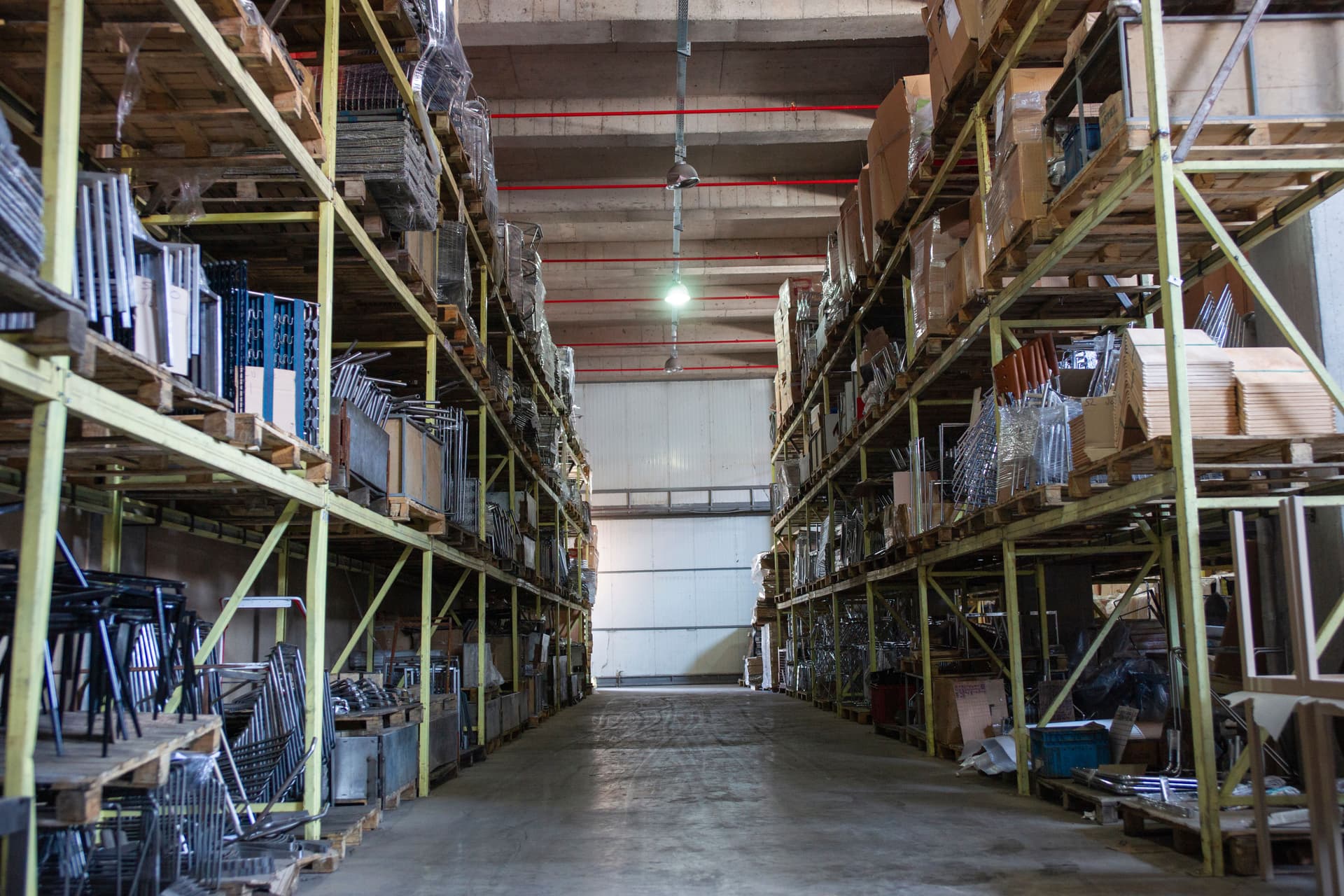
The supplier relationship for hotel FF&E matters most in the moments when things are going wrong. A room out of service, a replacement needed quickly, a specified item discontinued — these are the moments when having the right supplier contact, with the right stock position and the right compliance documentation, makes the difference between a two-week resolution and a three-month scramble.
Most operators discover which suppliers are actually reliable in those difficult moments, rather than before them. A more deliberate approach — evaluating suppliers against the criteria that matter before a replacement is urgent — is a better investment than finding out under pressure.
What good looks like in an FF&E supplier relationship
Range depth and continuity. A supplier who carries a broad and stable range reduces the risk of discontinuation surprises. This doesn't mean only working with the largest manufacturers — specialist suppliers often carry items that commodity suppliers don't. But a supplier who updates their collection frequently and discontinues lines regularly is a higher-risk relationship for a hotel that needs replacement consistency.
Compliance documentation on demand. For upholstered furniture and regulated categories, the supplier should be able to produce a current compliance certificate quickly, confirming the specific composite covered. A supplier who takes days or weeks to locate a fire certificate, or who sends a certificate that doesn't clearly apply to the product composite being ordered, creates a compliance management problem that falls on the operator.
Lead time transparency. Honest lead times matter more than optimistic ones. A supplier who consistently quotes eight weeks and delivers in ten is a worse relationship than one who quotes twelve weeks and delivers in eleven. The planning damage caused by unexpected lead time extensions is disproportionate: rooms are kept blocked, alternative solutions are ruled out before it's clear they're needed, and guest impact accumulates.
Stock position. For high-turn items — lamps, accessories, soft furnishings — supplier stock position affects how quickly a replacement can arrive. A supplier who holds stock vs one who manufactures to order is a different proposition for urgent replacements. Knowing which model applies before you need it changes how you approach buffer stock decisions.
Hospitality contract experience. Suppliers who work regularly with hotels understand the operational constraints: delivery windows that don't disrupt guests, clean-and-carry packaging that prevents damage in transit, willingness to deliver to specific floors rather than just to the loading bay. These aren't universal, and a supplier without hospitality contract experience may underperform on the operational side even if the product is excellent.
The questions to ask a new supplier
Before placing a first order, these questions surface the information that distinguishes a reliable supplier from one who looks right on paper:
-
How far in advance do you typically know about planned discontinuations, and how do you communicate them to regular customers? A supplier who doesn't proactively communicate discontinuations will let you discover them at the worst possible moment.
-
Can you provide the fire compliance certificate for this specific product, confirming the composite tested? The response tells you immediately whether their compliance documentation is in order.
-
What's your current lead time for this item, and what's the longest lead time you've experienced in the last twelve months? The second part of the question is the useful one.
-
Do you hold stock of this item, or is it manufactured to order? Relevant for any item where quick replacement might be needed.
-
Have you supplied this type of item to hotels of similar tier and usage before? References and hospitality experience are worth asking for directly.
-
What is your process if an item arrives damaged or doesn't match the specification? How a supplier handles a problem tells you more about the relationship than how they handle a clean order.
Maintaining supplier relationships over time
A supplier who handled the original fit-out has institutional knowledge that a new supplier doesn't: which items were ordered, what the preferred alternatives were when things were unavailable, who in the project team made the key decisions. When a replacement is needed years later, that relationship is worth preserving.
For properties with a live specification record that includes supplier contacts against each item, the right contact is immediately available when a replacement is needed. For properties whose supplier contacts live in someone's email inbox or memory, every team change risks losing that institutional knowledge.
Recording the supplier contact — not just the company name, but the specific person who managed the account and their current contact details — against each item in the specification record is a small discipline that pays off significantly at replacement time.
Controlbook stores supplier contacts against item records as part of the live specification. If you'd like to see how that works in practice, book a demo.
Frequently asked questions
How many FF&E suppliers should a hotel typically work with?
For a full-service hotel, the supplier base for FF&E will typically span multiple categories — case goods, soft furnishings, decorative lighting, carpets, bathroom fittings — and no single supplier covers all of them. Having two or three qualified suppliers per category provides resilience without creating unmanageable complexity. Concentration risk — relying on a single supplier for a high-priority category — is worth managing explicitly.
Is it better to work directly with manufacturers or through distributors?
For standard or in-collection items, both routes can work. Working directly with manufacturers gives better pricing on volume and direct access to technical compliance information; working through distributors gives more flexibility and a single point of contact for multi-category orders. For bespoke or modified items, working directly with the manufacturer is usually necessary. The right choice depends on volume, complexity and relationship preference.
How do I handle a supplier who has changed ownership or merged since the original fit-out?
Supplier ownership changes are common in the contract furniture industry. The first check is whether the product range has been maintained or discontinued under the new ownership. The second is whether the original compliance certificates remain valid — certificates are issued against the product, not the company, so they should transfer with the range. If there's any uncertainty about compliance certificate validity following a supplier change, contact the new entity directly to confirm.