What is FF&E procurement? A complete guide to the process
FF&E procurement is the end-to-end process of specifying, sourcing, ordering, and delivering furniture, fixtures, and equipment for a building project. Here's how it works and what can go wrong.
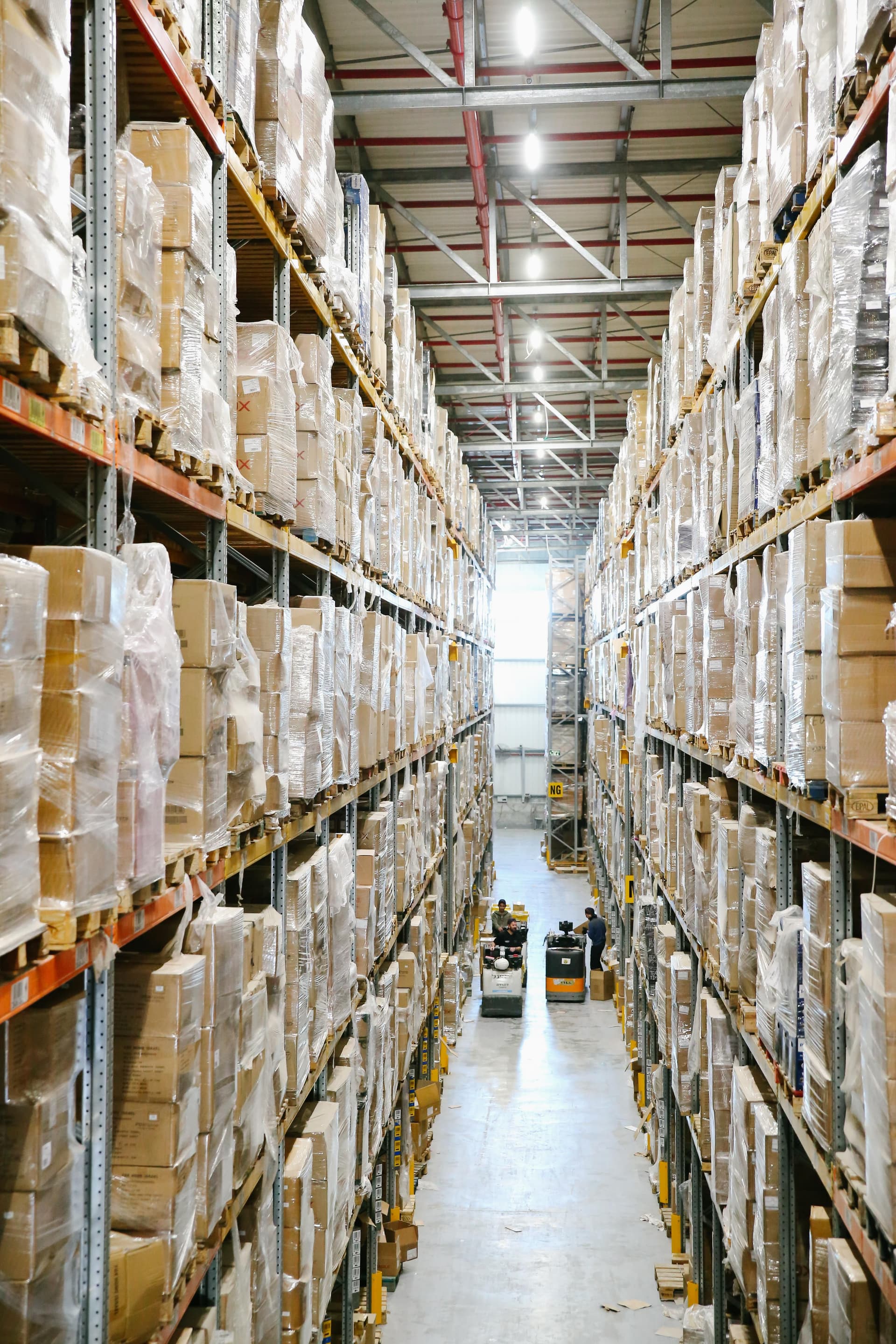
FF&E procurement is the organised process of specifying, sourcing, purchasing, and delivering furniture, fixtures, and equipment for a building — whether that's a new hotel, a care home, a build-to-rent scheme, or a student accommodation block. It encompasses everything from issuing request for quotations to managing supplier relationships, approving samples, placing purchase orders, coordinating deliveries, and handing over assets to the operator.
It's a more complex process than most people outside the industry expect. And it's one of the most common sources of budget overruns, programme delays, and operational headaches in construction and refurbishment projects.
What counts as FF&E?
The term FF&E — furniture, fixtures, and equipment — covers the items that are installed into a building but are not permanently attached to its structure. A bed frame is FF&E. A fitted wardrobe is FF&E. A light fitting screwed to a ceiling may or may not be, depending on how the project is structured.
In practice, the scope of FF&E procurement in a hospitality project typically includes bedroom furniture, public area seating, restaurant and bar furniture, lighting, window treatments, artwork and accessories, and soft furnishings. Some projects include loose kitchen equipment and in-room technology within the FF&E scope; others treat these as separate procurement work streams.
What FF&E is not: structural elements, M&E (mechanical and electrical systems), built-in joinery that forms part of the fit-out contract, and finishes like flooring and wall coverings that are typically specified as part of the construction contract.
The boundaries matter because they determine who is responsible for procurement, what the budget envelope includes, and which contractor or project manager is accountable for delivery.
Who is involved in FF&E procurement?
FF&E procurement draws in multiple parties, and the relationship between them varies significantly by project type and scale.
Interior designer. On most hotel and hospitality projects, the interior designer leads the specification — defining what items are required, to what standard, and in what quantities. The FF&E specification document they produce is the foundation of the procurement process. Designers may or may not have direct procurement responsibility; on many projects, they hand the specification to a procurement company.
FF&E procurement company or manager. A specialist FF&E procurement company takes the designer's specification and executes the commercial process: sourcing suppliers, obtaining quotes, managing the tendering process, placing and managing purchase orders, coordinating logistics, and managing the delivery and installation programme. On smaller projects this role may be filled by a single procurement manager rather than a specialist company.
Owner or operator. The hotel owner or building operator is the ultimate client. They may be directly engaged in major purchasing decisions — particularly where bespoke items or high-value choices are involved — and they are typically the party approving final specifications before orders are placed. Their priorities (brand compliance, budget envelope, programme certainty) drive the commercial parameters.
Suppliers and manufacturers. The supply chain for FF&E on a significant hospitality project may include dozens of separate suppliers: case goods manufacturers, upholsterers, lighting suppliers, carpet manufacturers, artwork suppliers, and many others. Managing these relationships — tracking lead times, managing approvals, handling quality issues — is a substantial part of the procurement workload.
Project manager or employer's agent. On larger projects, a project manager coordinates the FF&E procurement programme with the broader construction programme, ensuring deliveries arrive at the right point in the fit-out sequence and that the FF&E contractor has access to the site when needed.
The stages of FF&E procurement
A full FF&E procurement process moves through several distinct phases. Skipping or rushing any of them is where projects run into trouble.
| Stage | What happens | Who leads |
|---|---|---|
| 1. Specification | Designer produces room-by-room FF&E schedule with items, quantities, finishes, and compliance requirements | Interior designer |
| 2. Tendering | Specification issued to shortlisted suppliers for pricing; alternatives may be invited on selected lines | Procurement manager |
| 3. Budget reconciliation | Tender returns reviewed against project budget; substitutions negotiated where gaps exist | Procurement manager / owner |
| 4. Supplier approval | Samples reviewed, mock-up rooms signed off, brand compliance checked | Designer / owner / brand |
| 5. Purchase orders | POs issued to confirmed suppliers; lead times confirmed and programme built | Procurement manager |
| 6. Production monitoring | Progress tracked against lead times; factory visits may be undertaken for bespoke items | Procurement manager |
| 7. Quality control | Pre-delivery inspection at factory or warehouse; snag items identified and resolved | Procurement manager / QC inspector |
| 8. Logistics and delivery | Items delivered to site in programme sequence; storage managed if site isn't ready | Logistics coordinator |
| 9. Installation | Items installed, assembled, and positioned to designer's placement plan | Installation contractor |
| 10. Handover and snagging | Post-installation inspection; snagging list raised and resolved; items handed to operator | Procurement manager / designer |
The most time-intensive stages are often the ones that look simplest on paper: tendering takes longer than planned when supplier capacity is constrained, budget reconciliation opens negotiation loops that delay order placement, and snagging can extend for weeks if the resolution process isn't well managed.
Typical lead times
Lead times are the most frequent source of programme risk in FF&E procurement. Unlike construction lead times, which are relatively predictable, FF&E lead times vary dramatically by item category and can be affected by factory capacity, raw material availability, and transport disruptions.
As a general guide — though lead times should always be confirmed directly with suppliers at the time of quoting:
- Stock furniture (items purchased from a manufacturer's standard range): 4–12 weeks
- Modified stock (standard designs with specified finishes or upholstery): 10–16 weeks
- Bespoke case goods (custom-designed and manufactured): 16–26 weeks
- Contract upholstery: 12–20 weeks
- Bespoke lighting: 10–18 weeks
- Custom carpets and flooring: 12–16 weeks
- Artwork and accessories: 6–14 weeks depending on sourcing
For a full hotel fit-out, the procurement timeline — from specification sign-off to final delivery — is typically five to nine months. On a PIP refurbishment of an operating hotel, where programme is compressed and phased by room blocks, this may be managed in three to five months but with more intensive supplier management.
Common pain points in FF&E procurement
Specification drift. The designer updates the specification after orders are placed, or the owner approves an alternative that the procurement manager then has to source. Each change creates a chain of queries, revised quotes, order amendments, and potentially new samples. Specification stability at the point of order placement is critical.
Budget gaps. Tender returns frequently come in above budget. The reconciliation process — deciding what to substitute, what to value-engineer, and what to hold — requires good data on the cost implications of each change and careful designer involvement to ensure aesthetic integrity isn't lost in cost-cutting.
Supplier capacity. Preferred suppliers are often booked solid. This is particularly true of UK upholsterers and bespoke case goods manufacturers, where lead times can double in peak periods. Procurement managers with strong supplier relationships, or access to pre-qualified alternative suppliers, are significantly better positioned.
Delivery sequencing. A hotel fit-out has a tight delivery window. Bedroom furniture arrives after flooring is installed and before decoration is complete. If a supplier delivers early, items need to be stored. If they deliver late, the fit-out programme slips. Coordinating delivery sequencing across twenty or more suppliers, each with their own logistics arrangements, is genuinely difficult.
Post-handover data gaps. Once items are installed and the project team moves on, the specification data — which manufacturer, which model, which finish, which quantities — often disappears with them. Operators are left with FF&E they can't easily reorder or replace, and a lifecycle planning gap that becomes expensive when items need replacing. Managing FF&E data after the designer leaves is one of the less-discussed challenges in hospitality operations.
How digital tools are changing FF&E procurement
The FF&E procurement process has traditionally been managed through spreadsheets, shared drives, and email chains. Specification documents exist as PDFs. Purchase orders live in accounting systems that don't connect to the specification. Delivery tracking happens in inbox folders.
The limitations of this approach show up in budget management (no single view of committed vs forecast vs actual spend), programme management (no integrated lead time view across all orders), and post-handover operations (specification data not captured in a usable operational format).
Purpose-built FF&E platforms — of which Controlbook is one — address different parts of this challenge. The operational case is strongest at the handover point: capturing the specification data from the project in a structured, searchable form that supports lifecycle planning, reordering, and CapEx forecasting for the operator. Rather than the specification living in a designer's archive, it becomes the starting point for a long-term asset register that tracks the condition and planned replacement of every item in the building.
The FF&E schedule that comes out of the procurement process, properly structured and handed over, is one of the most valuable operational documents a building can have. Most buildings don't have one.
What do FF&E procurement companies do?
FF&E procurement companies take on the full commercial and logistical responsibility for executing a project's FF&E procurement. Services typically include:
- Reviewing and interrogating the designer's specification for completeness and budget alignment
- Issuing tenders to shortlisted suppliers and managing the quoting process
- Presenting tender analysis and recommendations to the client team
- Managing the sample and mock-up approval process
- Placing and administering purchase orders
- Monitoring production against lead times, including factory visits
- Managing quality control inspections
- Coordinating logistics, delivery, and installation
- Managing the snagging and sign-off process
- Producing project close-out documentation
Well-known FF&E procurement companies operating in the UK hospitality market include Purchasing and Contracting International (PCI), FFandE Ltd, and Tabula — though the market includes many smaller boutique firms, and some hotel groups operate in-house procurement teams for larger programmes.
Frequently asked questions
What is the difference between FF&E and OS&E procurement?
FF&E (furniture, fixtures, and equipment) covers items that are physically part of the room environment — beds, sofas, desks, light fittings. OS&E (operating supplies and equipment) covers the consumable and operational items needed to run the property — bedding, toiletries, kitchen equipment, uniforms, stationery. Both are procured before opening, but they're typically managed as separate work streams by different teams. OS&E is closer to supply chain procurement; FF&E is closer to a construction subcontract.
What companies handle FF&E procurement for hotels?
Large hospitality projects are typically handled by specialist FF&E procurement companies, of which there are several hundred in the UK and US. Some hotel groups — particularly larger chains — operate in-house procurement teams for FF&E. Interior design firms occasionally offer procurement services in addition to specification. For smaller independent operators, a freelance FF&E project manager may manage procurement directly. The right choice depends on project scale, complexity, and the operator's internal capability.
How long does FF&E procurement take?
On a new-build hotel, the end-to-end FF&E procurement process — from specification sign-off to final installation and handover — typically takes five to nine months. On a PIP refurbishment of an operating hotel, compressed timelines of three to five months are achievable with experienced procurement management and early supplier engagement. The most variable element is bespoke manufacturing lead time: custom case goods can take six months from order to delivery, so early specification sign-off is critical.
What does a procurement manager do on a hotel project?
A hotel FF&E procurement manager is responsible for executing the commercial process between specification and delivery. In practice: managing supplier relationships, running the tendering process, reconciling tender returns against budget, placing and administering purchase orders, monitoring lead times, coordinating logistics and delivery sequencing, managing quality control, and overseeing installation and handover. They sit between the designer (who specifies what is required) and the operator (who will manage the items once installed).
When should FF&E procurement start on a hotel project?
Procurement should begin as soon as the specification is sufficiently developed to go to tender — typically when the design is at RIBA Stage 3 (developed design). For items with long bespoke lead times, early engagement with preferred suppliers — even before the final specification is agreed — is common practice. Starting procurement too late is the single biggest cause of FF&E-related programme delays.
If you're looking for a better way to capture and manage FF&E data after a project completes, Controlbook is built specifically for that. Book a demo to see how operators use it to build and maintain their asset registers from day one.