Workplace furniture lifecycle management: the discipline facilities managers can't ignore
Post-pandemic space reconfigurations, hybrid working, and ESG reporting have made workplace furniture lifecycle management a serious FM discipline. Here's what it involves and why it matters.
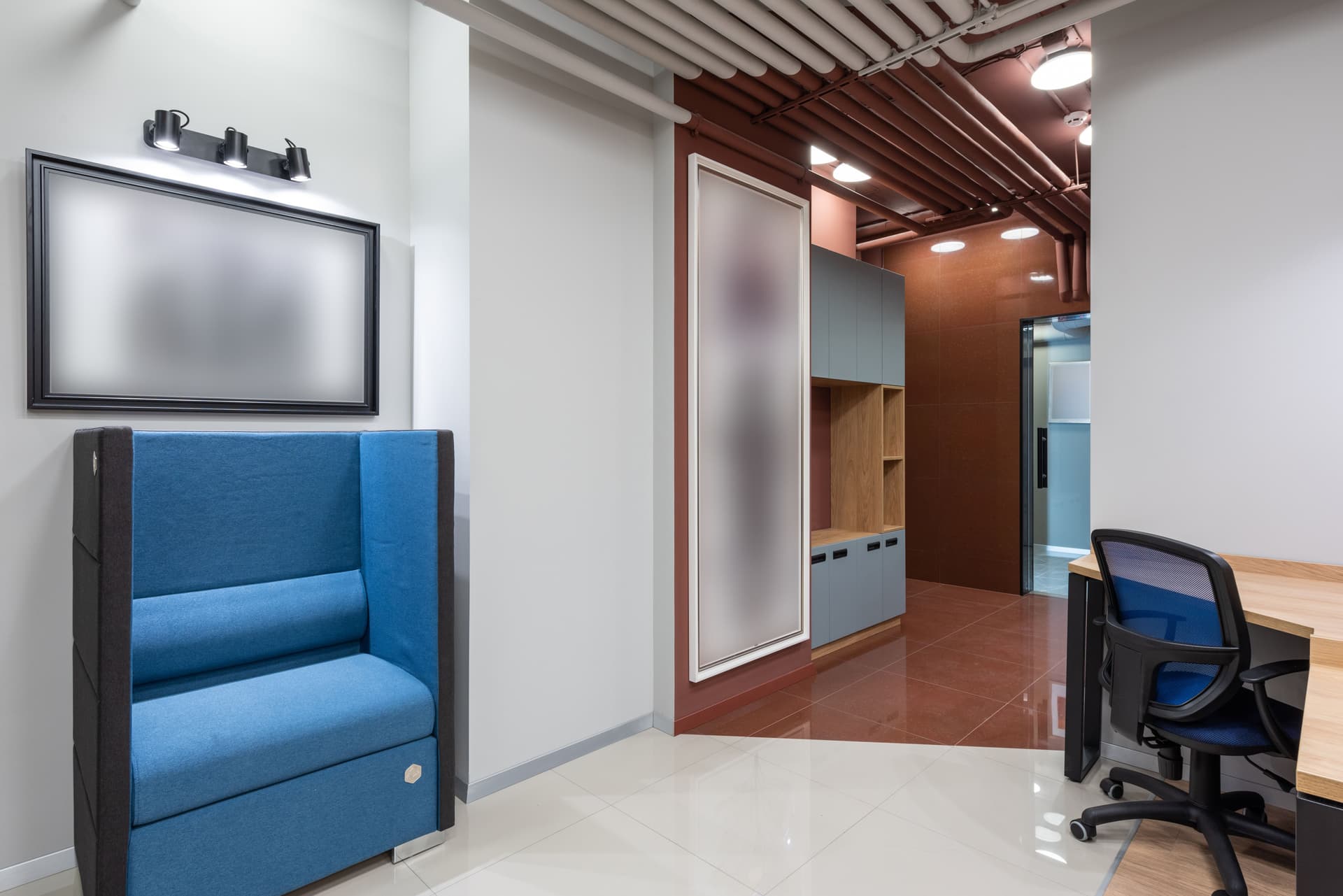
Workplace furniture used to be someone's problem once — when the office was fitted out — and then largely forgotten. The chairs were ordered, the desks arrived, a few things were replaced when they broke, and the cycle repeated itself on no particular schedule.
That approach is no longer sufficient. The post-pandemic transformation of the workplace has made furniture lifecycle management a genuine discipline, not an afterthought. Offices are being reconfigured at a pace that exposes how little structured data most organisations actually hold about what they own. ESG reporting is creating new pressure to account for asset utilisation, embodied carbon, and disposal decisions. Hybrid working has changed which spaces are used, and how intensively. The cumulative result is that facilities managers who don't have a structured approach to their furniture assets are constantly working with incomplete information.
Why the workplace has changed the asset management problem
Before 2020, most commercial offices operated on a relatively predictable pattern. Staff came in five days a week. The furniture was configured for full occupancy. Replacement happened when items wore out or when a refurbishment was triggered by lease renewal or leadership change.
Hybrid working has disrupted all three assumptions. Occupancy is unpredictable — some floors are full on Tuesdays and Wednesdays, nearly empty on Fridays. Hotdesking and activity-based working have replaced assigned seating in many organisations, which means some furniture is used far more intensively than it was designed for and some sits largely idle. Configuration changes happen more frequently — a team that moved from 40 desks to 25 hotdesks and 15 focus pods last year may be reconfiguring again this year.
The facilities consequence is significant. Wear rates are no longer uniform across the estate. The areas that were designed for occasional collaborative use are now anchoring the majority of daily occupancy. Seating that was specified for five hours of daily use may be seeing eight. The traditional assumption that office furniture lasts ten years is looking increasingly unreliable.
Meanwhile, ESG reporting requirements — from the FRC's Climate-Related Financial Disclosures to GRESB assessments for property-owning organisations — are creating pressure to account for physical assets in new ways. The embodied carbon of furniture procurement, the disposal routes for replaced assets, the utilisation data behind space decisions: these are all questions that a structured asset register can answer and an unstructured one cannot.
What the furniture lifecycle actually involves
Understanding why lifecycle management matters requires being clear about what the lifecycle involves. It's not just buying furniture and eventually replacing it. It's a sequence of decisions, each of which is better when underpinned by data.
Specification and procurement. The lifecycle begins before any furniture arrives. The specification records what was selected, why, from which supplier, at what cost, and to what standard. Done properly, this data follows the asset through its entire life. Done poorly — which usually means a purchase order and a delivery note that are filed and forgotten — it leaves an information gap that compounds over time.
Installation and commissioning. Assets enter the register at handover. Location is recorded at room or zone level. Warranty periods start. Compliance certificates are filed — for upholstered furniture in commercial environments, fire compliance documentation is a regulatory requirement, not optional.
In-use maintenance. Routine maintenance, repairs, adjustments. For commercial-grade furniture, manufacturer-recommended servicing schedules exist even if most organisations don't follow them. Mechanism adjustments on task chairs, frame inspections on height-adjustable desks, reupholstery assessments for soft seating — these are maintenance events that belong in the asset record.
Condition assessment. Periodic review of the estate against a defined condition standard. What's in good condition, what's fair, what's approaching end of useful life, what needs immediate attention. Without this structured review, decisions about replacement are driven by complaint and visibility rather than actual condition.
Disposition. When an item reaches end of life — or when a reconfiguration makes it surplus — the disposition decision matters. Dispose, donate, refurbish, trade-in, sell through secondary markets. Each option has cost, carbon, and administrative implications. The ESG case for circular economy approaches to furniture disposal is now mainstream, but it requires data: you need to know what you have before you can organise a donation or trade-in programme.
The challenge of tracking furniture across floors and buildings
The complexity multiplies with scale. A single-floor office with 80 desks and a clear record of what was installed is manageable. A corporate headquarters spanning six floors, a regional office with three floors across two buildings, and a collection of satellite offices in serviced workspace is a different problem.
The specific failure modes are predictable:
Moves create gaps. Every time furniture is moved — a reconfiguration, a team relocation, an overflow arrangement — the location record is wrong unless someone updates it at the time. In a busy FM environment, updating the asset register is rarely the first priority during a reconfiguration. The gap accumulates.
Replacements happen outside the process. An item fails. Facilities orders a replacement. The new item arrives, the old one is disposed of, and neither the register nor the asset manager's record is updated. Three cycles of this and the register bears little resemblance to what's actually in the building.
Specification data is lost. The original installation documentation — the interior designer's FF&E schedule, the purchase orders, the manufacturer data sheets — is typically held by whoever managed the original project. When that person leaves, or when the documents aren't formally handed over, the specification data is effectively lost. Future replacement decisions default to guessing what the original spec was.
Buildings are acquired without data. Organisations that grow through acquisition or lease an already-fitted space inherit whatever data (or absence of data) the previous occupant left behind.
Solving these problems requires a structured approach to asset tracking from the outset — and a recovery process for organisations that are starting from a poor data position. The how-to-create-asset-register guide covers that recovery process in detail. For organisations starting from scratch on tracking, how to track furniture assets covers the practical methods available at different scales.
How a structured asset register reduces replacement cost
The financial case for structured workplace furniture lifecycle management is concrete, not theoretical.
Planned replacement costs less than reactive replacement. When you know that your meeting room soft seating across floors three to five is approaching end of useful life — all purchased in the same fit-out, all now seven years old — you can plan a co-ordinated replacement programme, negotiate better pricing with a single supplier, and time the work during a quieter period. When the same chairs start failing one by one, you're replacing them reactively: emergency orders, full-price purchasing, disruption to the space.
You avoid replacing things that don't need replacing. Without condition data, periodic refurbishments are often driven by appearance rather than actual condition. Items in perfectly serviceable condition get swept up in a refurbishment because "it's time" rather than because the data supports replacement. An accurate condition record allows selective replacement — the chairs in heavy use are showing wear, but the barely-used boardroom furniture is fine. Spend where it's needed; defer where it isn't.
You can make the CapEx case to finance. Finance teams have a legitimate scepticism about facilities replacement requests that arrive without supporting data. "We need to replace the furniture on floors four and five" is a harder request to fund than a condition report showing that 68% of seating in those zones is rated fair-to-poor, with replacement cost projections and a five-year forecast showing the cost of deferral. Asset data makes the business case.
Insurance declarations are accurate. Commercial property insurance for furniture assets is typically based on declared reinstatement value. An organisation without current asset data is either over-insured (paying unnecessary premiums on items that have been disposed of) or under-insured (missing assets that have been added). An accurate register is the foundation of an accurate insurance declaration.
Typical commercial furniture categories and expected lifespans
Expected lifespans are affected by use intensity, maintenance quality, and original specification grade. The figures below assume standard commercial-grade specification under typical office use; heavy-use environments (hotdesking, high-footfall collaborative spaces) will see shorter lives.
| Asset category | Expected lifespan | Key factors affecting life |
|---|---|---|
| Task seating (ergonomic) | 7–10 years | Mechanism quality, daily-use hours, cleaning regime |
| Soft seating (lounge/breakout) | 5–8 years | Fabric durability, use intensity, foam density |
| Desks (fixed height) | 10–15 years | Frame quality, surface wear, configuration changes |
| Height-adjustable desks | 7–10 years | Mechanism type, actuator quality, daily adjustment frequency |
| Meeting tables | 10–15 years | Surface material, edge treatment, handling |
| Acoustic booths / pods | 7–10 years | Fabric wear, acoustic panel condition, electrical components |
| Storage (pedestals, lockers) | 12–18 years | Lock mechanisms, surface condition |
| Café / breakout tables and seating | 5–7 years | Higher wear in food and beverage environments |
| Reception furniture | 5–8 years | High-visibility, high-contact; brand standard pressure |
| Outdoor / roof terrace | 5–8 years | UV exposure, weathering, storage regime |
Comparing the challenge across building types
The workplace furniture lifecycle problem takes a different shape depending on the building type involved.
Corporate headquarters. A single, specification-heavy environment with a defined design standard. The challenge is longevity — the original specification is rich but ages as the organisation and its furniture age together. Lifecycle management in a corporate HQ is often about managing the gap between the original investment and the ongoing reality.
Flexible workspace (serviced offices, co-working). High turnover of tenants, frequent reconfiguration, intensively used shared furniture. The asset lifecycle is shorter and more dynamic. The challenge is tracking what's actually in each suite, keeping condition records current, and making replacement decisions that balance member experience against cost. A membership base paying premium rates for a premium environment creates less tolerance for visible wear.
Multi-tenant offices. Here the asset ownership question adds complexity. The landlord owns the base build furniture and common areas; tenants own (or lease) their suite furniture. At lease end, the dilapidations question depends on a clear record of what was present, what condition it was in, and what changed during the tenancy. Lifecycle data supports the landlord's position at dilapidations.
What good looks like
A facilities team with mature workplace furniture lifecycle management knows what's in each space at item level, can produce a condition report without a fresh survey, and has a rolling five-year replacement forecast by category and floor. When finance asks what the furniture CapEx requirement is for the next three years, the answer takes hours — not weeks, not guesses.
Getting there requires a structured data approach: the right fields, captured consistently, updated when reality changes. The asset register template guide covers the structure for a commercial property context.
Controlbook is designed for exactly this use case. Book a demo to see how it handles multi-floor, multi-building commercial portfolios.
Frequently asked questions
What's the difference between an asset register and a workplace furniture inventory?
In practice they're often used interchangeably, but an asset register is the more complete concept. An inventory is a count and description of what exists. An asset register adds financial data (purchase cost, depreciation, replacement cost), condition data, location history, and lifecycle information. An inventory tells you what you have; an asset register tells you what it's worth, what state it's in, and when you'll need to replace it.
How often should workplace furniture be assessed for condition?
For most commercial environments, an annual condition assessment is sufficient — aligned with the CapEx planning cycle. Organisations with high-footfall or intensively used spaces (co-working, serviced offices, training facilities) benefit from a more frequent review, typically every six months. The trigger for unplanned assessment is a significant reconfiguration, an acquisition, or a lease event.
Can ESG reporting requirements be met without an asset register?
Not credibly. Scope 3 carbon reporting under frameworks like GHG Protocol requires data on the purchase and disposal of physical assets. If you're reporting on the embodied carbon of your furniture procurement or the disposal routes for replaced assets, you need item-level records. Estimates made without underlying data are increasingly scrutinised by auditors and investors.
Does facilities management software handle workplace furniture lifecycle tracking?
General FM software — CAFM and IWMS platforms — typically covers planned maintenance, space management, and helpdesk functions. Most don't have native support for specification-aware FF&E lifecycle tracking: the ability to hold the original spec data at item level, link it to condition assessments, and project replacement costs forward. That's a capability built specifically for FF&E management rather than maintenance scheduling.
What's the minimum viable approach for a 200-person office?
A well-structured spreadsheet covering the main furniture categories (task seating, desks, soft seating, meeting furniture, storage), recording purchase year, manufacturer, model, quantity, location, and current condition. Updated at least annually. With that data, you can build a replacement forecast, make the CapEx case to finance, and avoid the most common reactive-replacement traps. The furniture asset tracking guide covers the practical setup in detail.